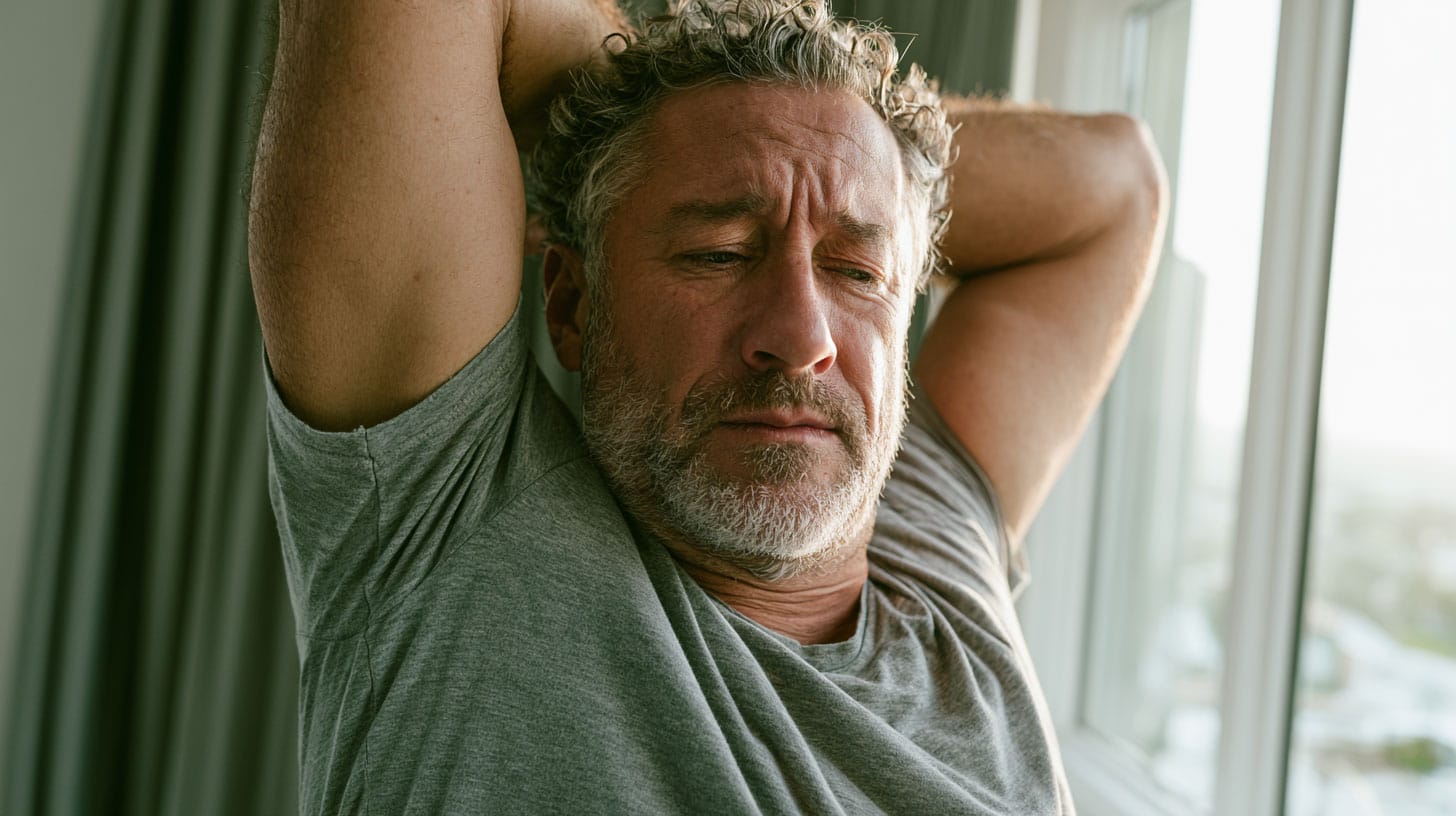
Chronic pain can affect almost every part of daily life, interfering with sleep, mobility, work, relationships and mental health. For some people, it also creates long-term exposure to medications or substances used to reduce pain, increasing the risk of physical dependence or addiction.
The relationship between chronic pain and substance dependence is complicated. A person might start taking medication appropriately, develop tolerance over time and eventually feel like they can’t function without it. Others may start using alcohol, cannabis or other substances to cope with pain, stress, anxiety or insomnia.
Not everyone with chronic pain develops a substance use disorder, and it’s also important to note that physical dependence isn’t the same as addiction. Understanding the difference is important because effective treatment needs to address both the pain itself and any problematic substance use developing alongside it.
What Is Chronic Pain?
Chronic pain is generally defined as pain continuing for several months or lasting beyond the expected healing period of an illness or injury. Unlike acute pain, which usually has a clear beginning and tends to get better as the body heals, chronic pain can persist even when the original injury has gotten better.
Common forms of chronic pain include back and neck pain, arthritis, neuropathy, fibromyalgia, migraines and ongoing pain after surgery or injury.
The effects often go beyond physical discomfort, and persistent pain can disrupt your sleep, limit activity, increase stress and make work or social activities harder. Over time, some people also experience anxiety, depression, or isolation.
These factors can influence how someone uses medication or other substances. A drug that initially provides physical relief might also start feeling like a way to sleep, relax, cope with stress or emotionally disconnect from the experience of living with pain.
Why Does Chronic Pain Increase the Risk of Substance Dependence?
The most obvious connection between chronic pain and substance dependence is repeated exposure. If pain keeps going for months or years, a person may start to use pain-relieving medications for an extended period, and some of these, especially opioids, can lead to tolerance and physical dependence with repeated use.
Tolerance means the body gets less responsive to the same dose, and a person may feel the medication is no longer providing the same level of relief it once did. That can make them tempted to take more.
Physical dependence happens when the body starts adapting to the ongoing presence of a substance, and if that’s stopped suddenly, withdrawal symptoms can happen.
Pain relief itself can also become reinforcing, so when someone’s been uncomfortable for hours, days or weeks, the rapid relief produced by a medication can become something they understandably start relying on. The pattern can get more complicated when a substance also helps with emotional distress. A medication may not only reduce pain but also make someone feel calmer, less anxious or more detached from their problems.
At that point, substance use can gradually shift from just pain management to a broader coping strategy.
Physical Dependence and Addiction Aren’t the Same
Physical dependence tends to be confused with addiction, especially when there are prescription medications involved.
A person can become physically dependent on a medication even when taking it exactly as prescribed. Dependence just means the body has adapted to the substance and may react with withdrawal symptoms if it’s abruptly discontinued. Tolerance can happen as well, so a higher dose is needed to produce the same effect.
Addiction involves a different pattern. A substance use disorder is characterized by problems like difficulty controlling use, strong cravings, compulsive substance-seeking, and continued use despite harmful consequences.
For example, someone taking an opioid as prescribed may experience withdrawal if they stop the medication suddenly but don’t have the desire to misuse it. That person could be physically dependent but not addicted.
On the other hand, someone who repeatedly takes more than prescribed, seeks the drug despite serious problems and feels like they can’t control their use may be showing signs of addiction.
The difference matters because if you’re living with chronic pain, you shouldn’t automatically be labeled as having a substance use disorder just because you need medication or experience withdrawal.
How Opioids Can Lead From Pain Treatment to Dependence
Opioids are among the substances most closely associated with the connection between chronic pain and dependence.
Prescription opioids reduce the perception of pain by acting on opioid receptors in the brain and body and depending on the specific medication and dose, they might also produce sedation, relaxation or euphoria.
With repeated use, the nervous system starts adapting to the presence of the drug. Tolerance can develop, and eventually the person might need the medication just to feel normal or avoid withdrawal.
Withdrawal symptoms can include anxiety, sweating, muscle aches, nausea, diarrhea, insomnia and intense discomfort.
At this stage, someone might keep taking opioids for two reasons: to manage the original pain and to prevent withdrawal. That can make it hard to figure out where pain management ends and dependence starts.
Risk can go up if a person starts taking the medication more often, raises the dose without medical guidance, uses opioids for emotional relief or gets more medication outside the original treatment plan.
Opioids also have a serious overdose risk that rises further when they’re combined with alcohol, benzodiazepines or other substances that suppress the central nervous system.
Chronic Pain and Other Types of Substance Use
Opioids aren’t the only substances people may use to cope with chronic pain. Some people turn to alcohol because it temporarily reduces tension or makes it easier to sleep, while others use cannabis to manage pain, anxiety or insomnia. Benzodiazepines might be used for anxiety or muscle tension, while other substances might be used just to escape the emotional strain of living with persistent pain.
The problem is that self-medication can create additional health and behavioral issues.
Alcohol might make sleep quality and mood worse over time, while sedating substances can impair cognition, coordination and judgment. Combining several depressants can also raise the risk of respiratory suppression and overdose.
Substance use can further complicate medical care by making it harder to determine if symptoms are coming from the underlying pain condition, medication side effects, withdrawal or another health problem.
For that reason, treatment needs to look at the overall pattern instead of just focusing on one drug.
Risk Factors for Substance Problems in People with Chronic Pain
Not everyone who receives long-term pain treatment will develop a substance use disorder, but certain factors can raise vulnerability.
Risk can be higher in those with a personal or family history of addiction, depression, anxiety, trauma or severe sleep problems. Long-term exposure to high-dose opioids can also increase the likelihood of tolerance and dependence.
Other warning factors include using medication primarily to manage emotional distress, increasing doses without medical guidance, combining medications with alcohol or other drugs and having limited access to non-drug pain treatments.
Social isolation can also play a role. When chronic pain limits work, movement or social activity, substance use can be one of the few reliable sources of immediate relief.
Usually there’s not a single cause, and instead problems with substances develop through a combination of biological, psychological and environmental factors.
Signs Pain Medication Use May Be Turning Into a Problem
It’s not always easy to tell when legitimate pain treatment has shifted into problematic use. One warning sign is repeatedly taking more medication than prescribed or running out early. A person may start thinking often about when they can take the next dose or feel anxious when the medication supply is low.
Other signs can include using pain medication when pain is minimal, taking it mostly to relax or sleep, seeking prescriptions from multiple providers or continuing to use it despite relationship, financial, health or work-related problems.
Strong cravings and an inability to cut back can be especially concerning. It’s important to remember withdrawal symptoms alone don’t prove addiction. Physical dependence can also happen during medical treatment.
The broader pattern here generally matters, and if substance use has gotten hard to control or is leading to harmful consequences, a professional assessment is the best way to determine what’s happening.
Treating Chronic Pain and Substance Dependence Together
Treating chronic pain and substance dependence at the same time has its challenges but is often necessary.
Just telling someone to stop using a substance may not work if they’re still dealing with significant physical pain. At the same time, continuing the same pain management approach may be unsafe if addiction has developed.
Integrated treatment looks at both issues.
A comprehensive treatment plan might include medical evaluation of the underlying pain condition, substance use assessment, medication management, behavioral therapy, physical therapy and treatment for anxiety, depression or trauma.
Non-opioid pain management may also be part of care. Depending on the condition, this can include certain medications, movement-based therapies, interventional procedures or other approaches.
When opioid use disorder is present, medications like buprenorphine may be appropriate as part of treatment.
Behavioral therapies can be especially helpful because chronic pain and substance use often affect how people respond to stress, discomfort, fear and frustration. Learning new coping strategies can reduce the tendency to rely on substances as the primary way to manage those experiences.
Vered can help individuals and families understand treatment options when substance use has become intertwined with pain, mental health concerns or other behavioral health issues.
Managing Chronic Pain During Recovery
Recovery from substance dependence doesn’t mean someone should just be expected to live with untreated pain. Pain management during recovery may require a more coordinated and multidisciplinary approach.
Physical therapy, non-opioid pain medicines that are appropriately prescribed, cognitive behavioral therapy for chronic pain, structured movement, sleep improvement and stress reduction may all play a role. Some people can also benefit from interventional pain treatments or specialty medical care.
Treating depression, anxiety, or trauma can be equally important because emotional distress can amplify the pain experience and increase urges to use substances for relief.
The goal isn’t always eliminating pain completely. In a lot of chronic conditions, that may not be realistic, so a more practical goal is improving daily functioning, reducing the intensity or interference of pain and developing safer ways to manage symptoms without returning to high-risk patterns of substance use.
Getting Help for Chronic Pain and Substance Use
Chronic pain and substance dependence can reinforce each other. Pain creates a reason to use a substance, and dependence can make it increasingly hard to reduce or stop that use. Effective treatment takes both sides of the problem seriously.
If you or someone you love is struggling to control pain medication, alcohol or other substance use while also dealing with chronic pain, Vered can help you explore appropriate treatment options and determine the level of support that may be needed.
Frequently Asked Questions
Can you become dependent on pain medication without being addicted?
Yes. Physical dependence can happen when your body adapts to regular use of certain medications. Addiction involves additional patterns like cravings, impaired control, compulsive use and continued use despite negative consequences.
Why are people with chronic pain at higher risk of opioid dependence?
People with chronic pain might use opioids for longer periods, increasing exposure and leading to tolerance and physical dependence. If they’re dealing with sleep problems, emotional distress and other emotional concerns, it may further increase risk.
What are the signs prescription painkiller use has become a problem?
Warning signs include taking more than prescribed, running out of medication early, using it for emotional relief, experiencing strong cravings, trying to get prescriptions from multiple sources, or continuing to use despite harm.
Can chronic pain still be treated during addiction recovery?
Yes. Pain should still be treated during recovery. Care may involve non-opioid medications, physical therapy, behavioral interventions, specialty pain management and treatment for co-occurring mental health concerns.
Can chronic pain and addiction be treated at the same time?
Yes. In many cases, treating both is preferable. An integrated approach can address the underlying pain condition, substance use, mental health, sleep, stress and other factors influencing recovery.